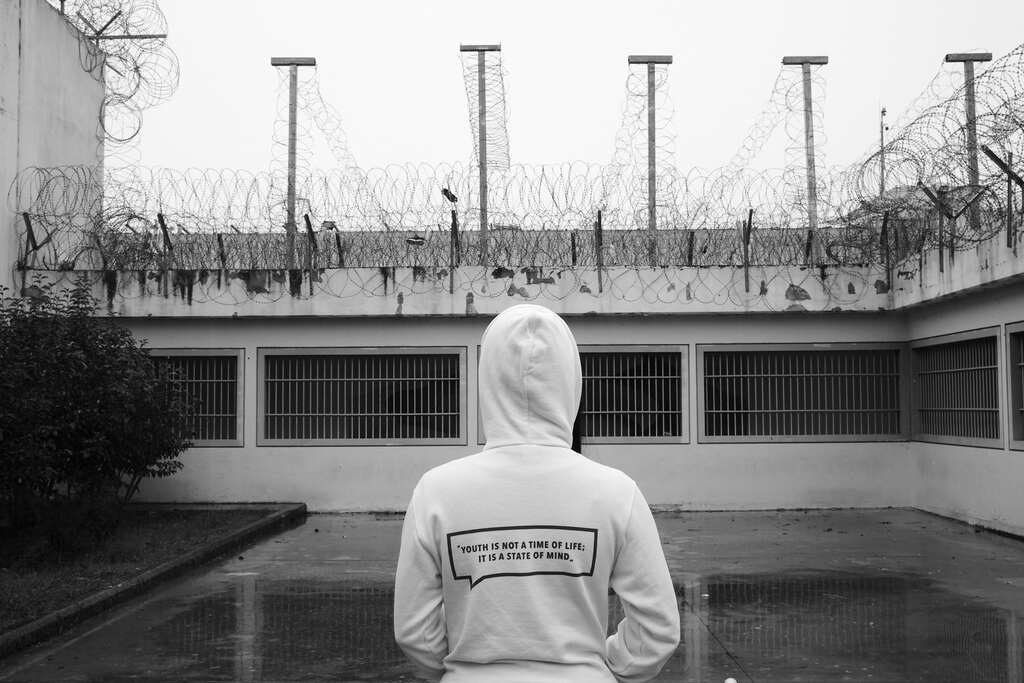
“Their Homes Are Taken, Their Future Not Pt3” was a training course funded by the Erasmus+ programme between 09-17 January, 2025, in Trikala, Greece (reference: 2023-1-EL02-KA153-YOU-000148859). It was a life-changing experience that left a profound impact on everyone involved. Organized by Horizons For Youth GR with youth workers from Bulgarian Youth Association, the project brought together young people from seven countries to explore the themes of social inclusion, rehabilitation of ex-offenders, and solidarity across Europe.
A Journey of Empathy and Understanding:
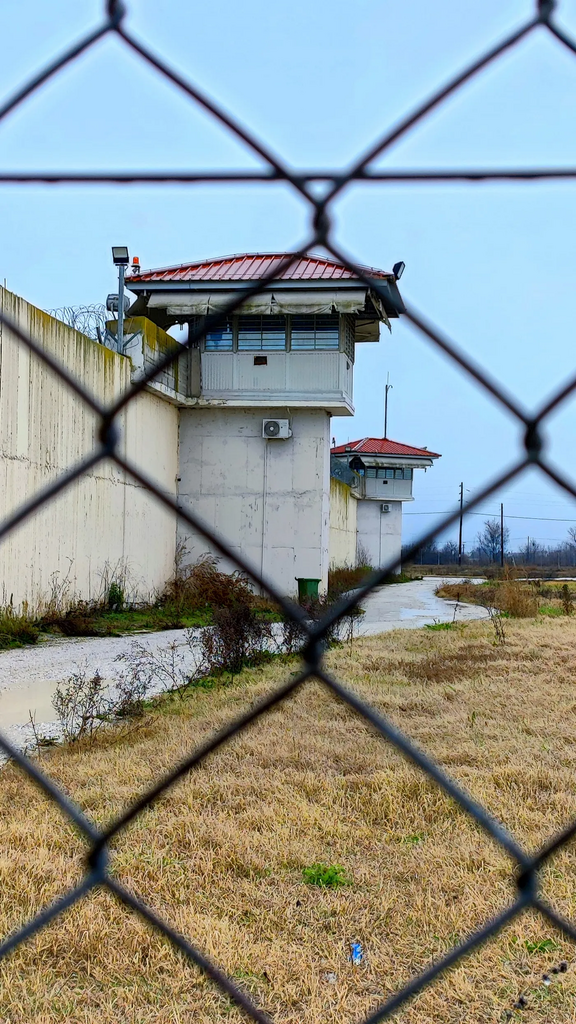
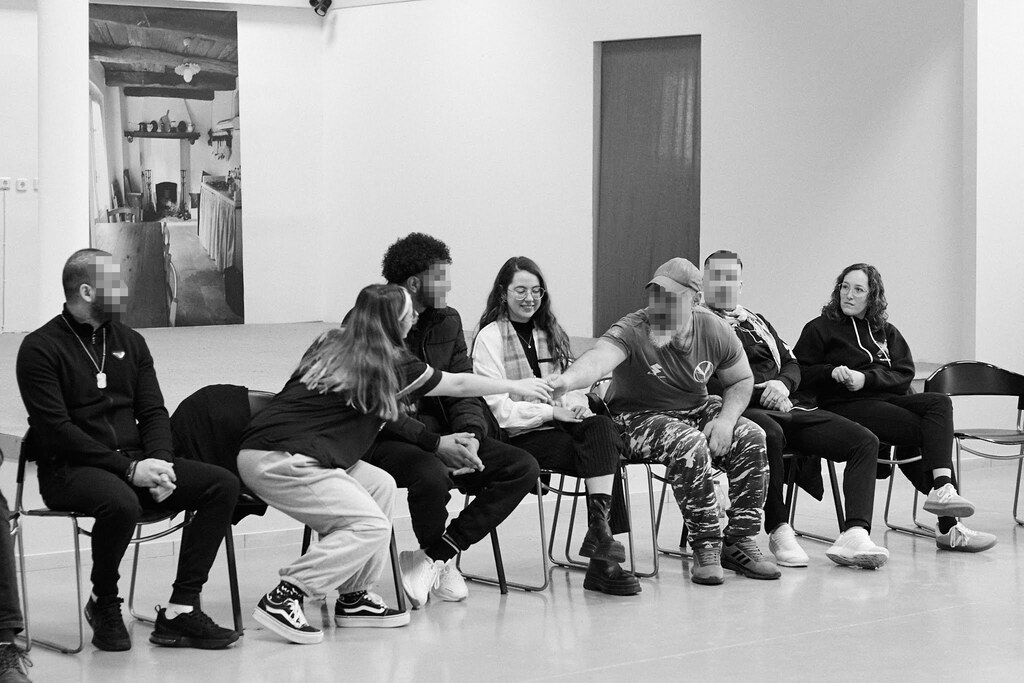
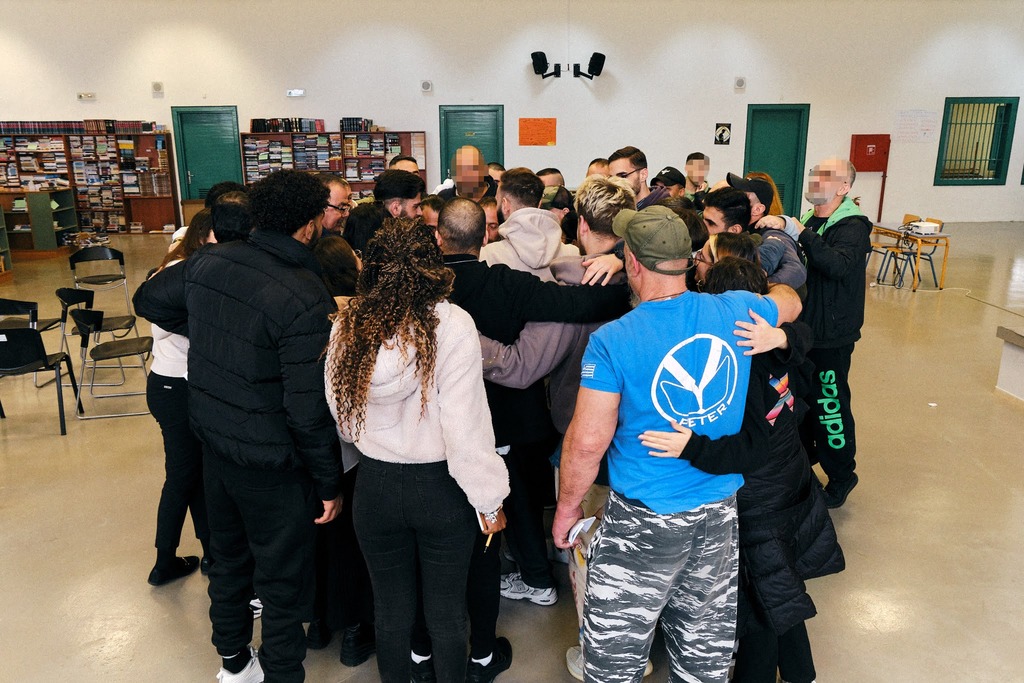
The highlight of the program was our three-day visit to Trikala Prison, where we had the unique opportunity to interact directly with the inmates. These individuals shared their personal stories, struggles, and hopes for the future. It was a deeply emotional experience that challenged our perceptions of crime and punishment. We learned about their daily lives behind bars and how many of them are working toward a better future through education at the prison’s Second Chance School.
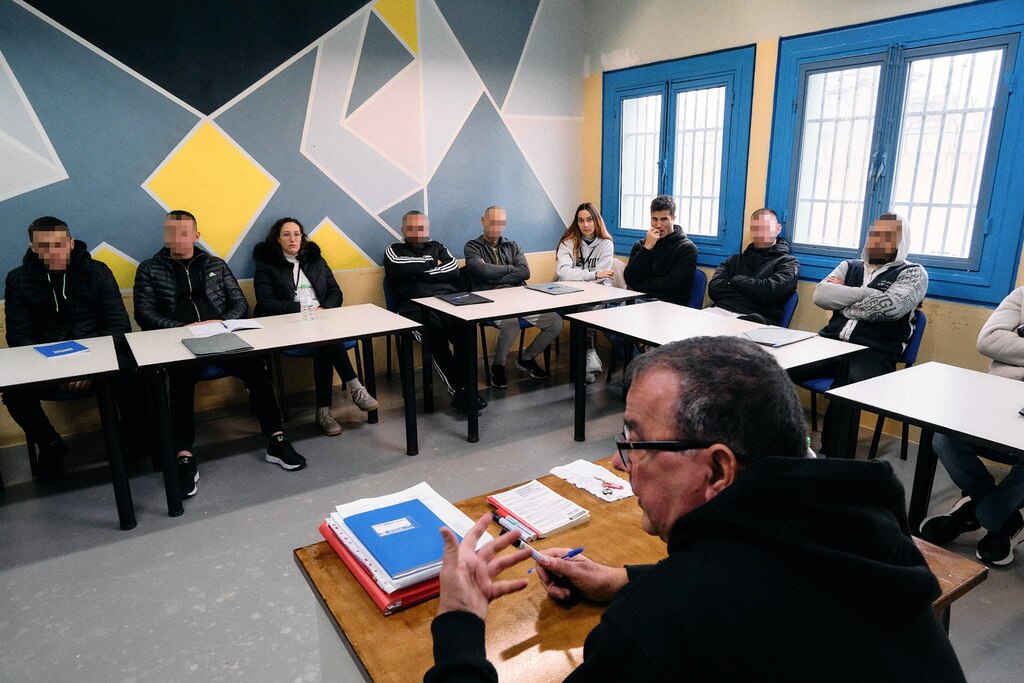
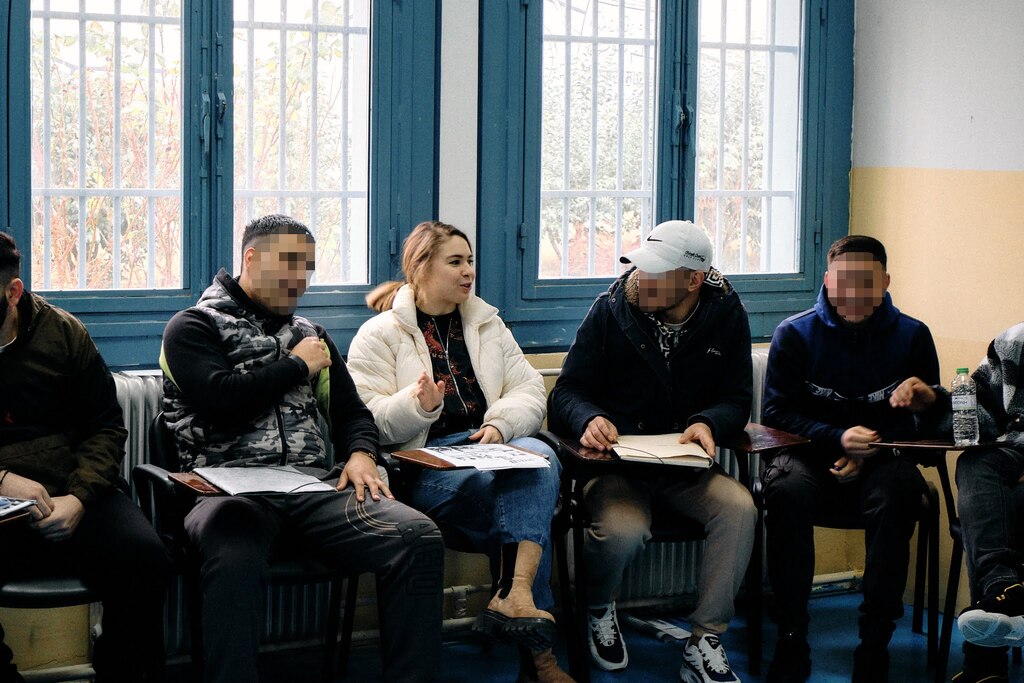
This school provides inmates with opportunities to learn new skills, languages, and empowering them to reintegrate into society after serving their sentences which is being reduced when attending. Witnessing their determination to rebuild their lives was both humbling and inspiring.
Exploring Marginalized Communities:
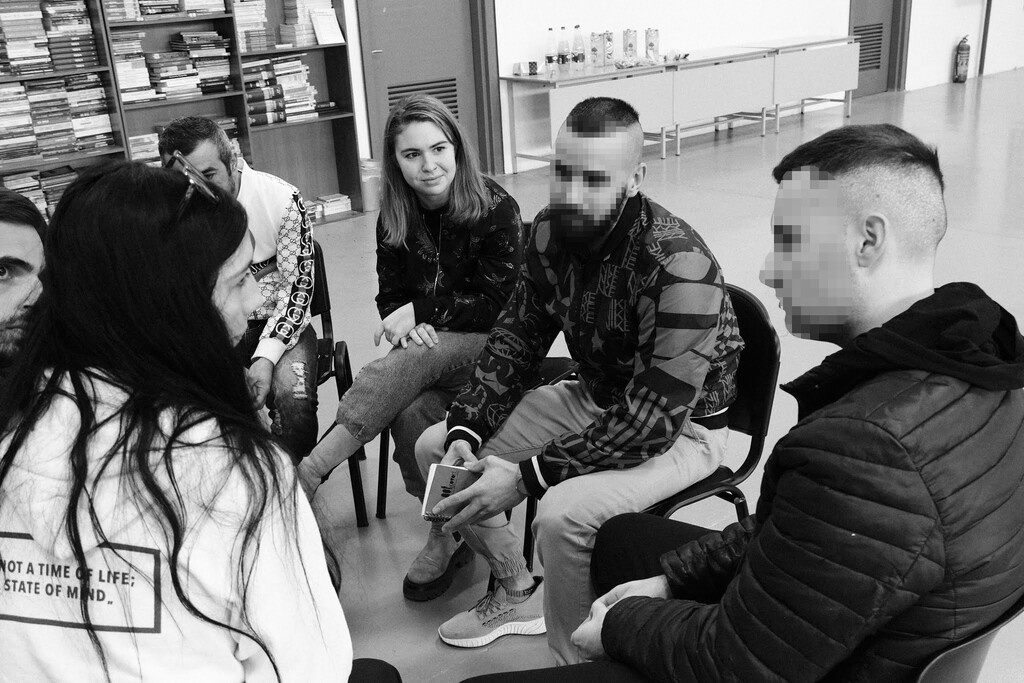
The project also shed light on the broader challenges faced by marginalized groups in Greece, including ex-offenders, refugees, and homeless individuals, who often struggle with social exclusion and limited prospects for the future. Through workshops, discussions, and collaborative activities, we explored how these groups can be better supported through education, employment opportunities, and community initiatives.
Key Activities:
- Workshops on Social Inclusion: We participated in interactive sessions that focused on understanding social exclusion and developing strategies to promote inclusion for marginalized groups. A short presentation on Inclusion and Integration of Ex-Prisoners -> CLICK TO VIEW <-!
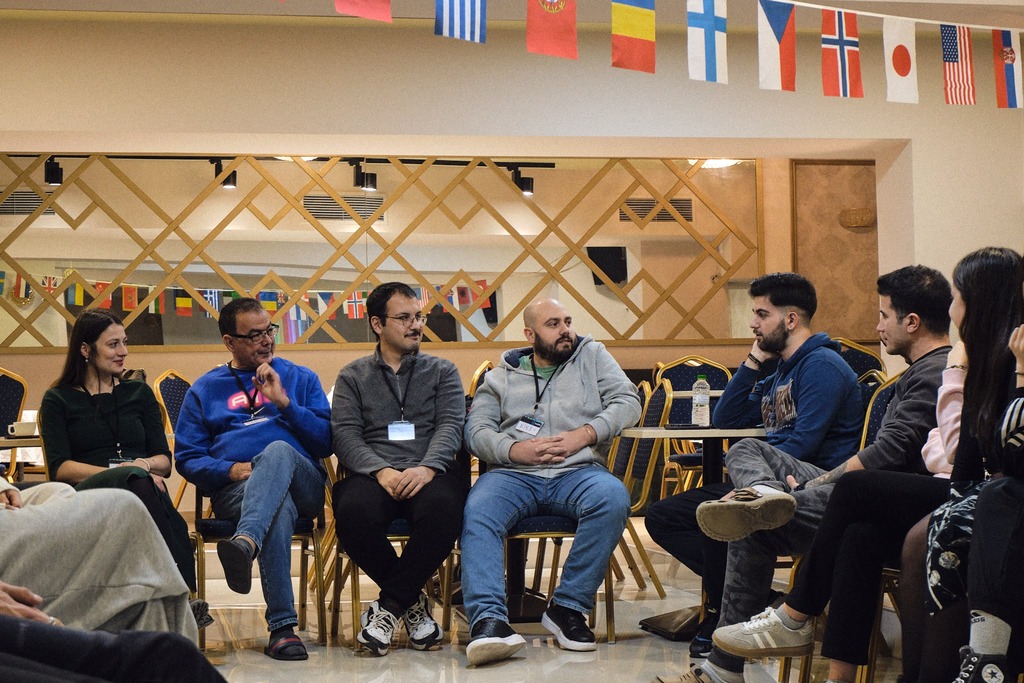
- Prison Visits: Spending time at Trikala Prison allowed us to engage with inmates on a personal level, understand their experiences, and witness the impact of rehabilitation programs like the Second Chance School.
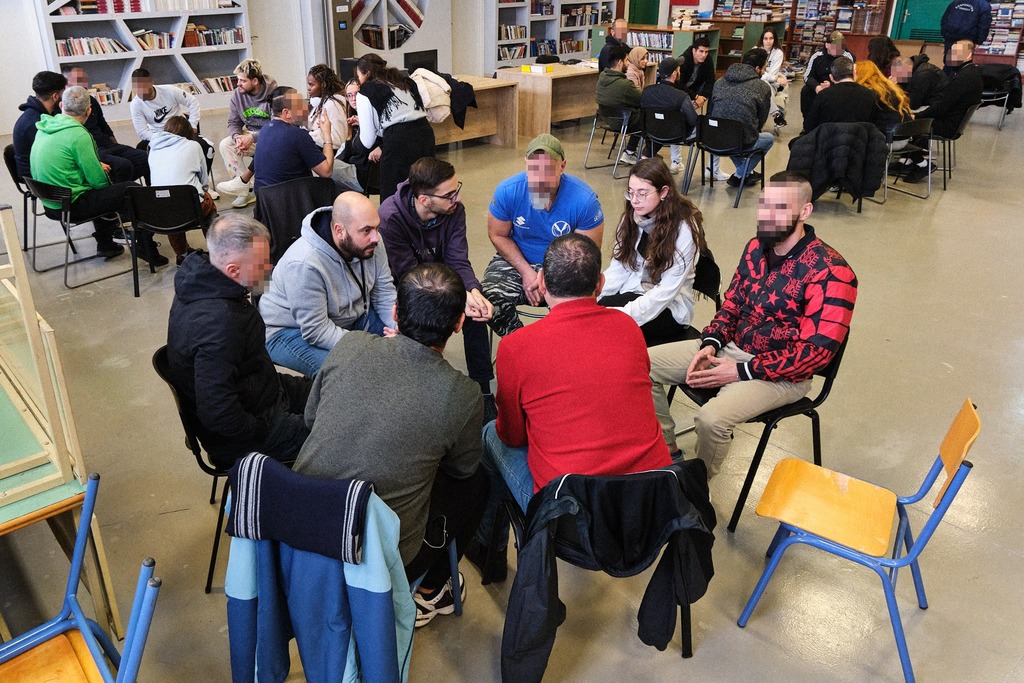
- Cultural Exchange: With participants from seven different countries, we shared our diverse perspectives and experiences while learning about each other’s cultures.
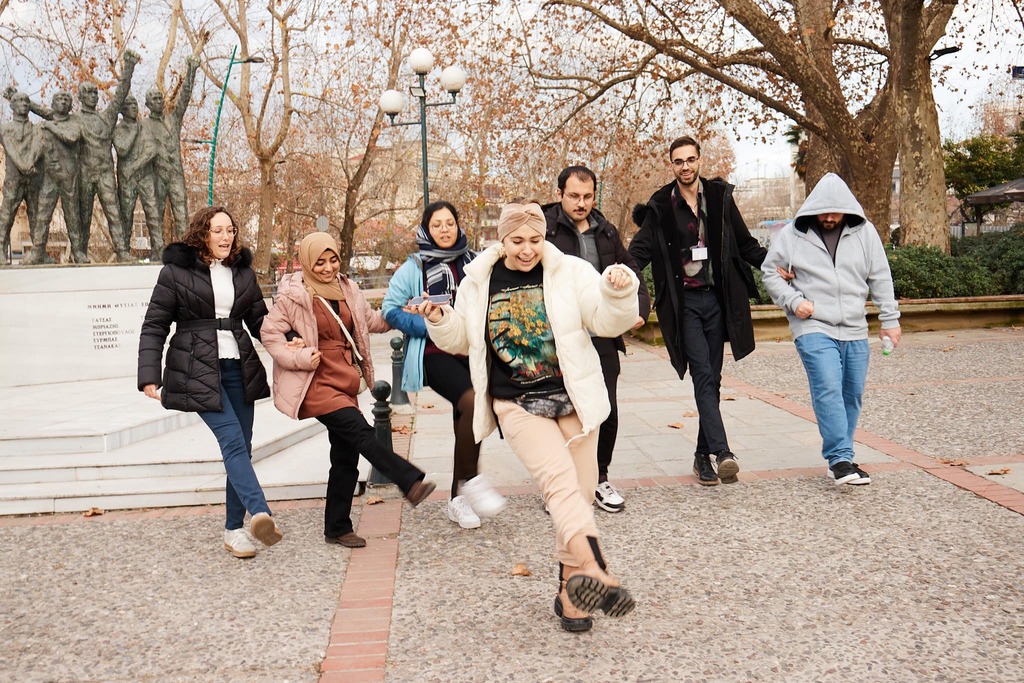
- Collaborative Problem Solving: Together, we brainstormed ways to support ex-offenders in their reintegration journey and discussed how young people can play an active role in fostering social cohesion.
Impact on Participants:
This project went beyond theoretical learning—it was an emotional and transformative journey. By stepping into the shoes of those who are often overlooked or judged by society, we developed a deeper sense of empathy and responsibility. The experience taught us that everyone deserves a second chance and that education is a powerful tool for change.
The training course also encouraged us to reflect on our own communities. How can we support marginalized individuals? How can we challenge stigma and stereotypes? These are questions that will continue to guide us as we work toward creating more inclusive societies.
Long-Term Vision:
The lessons learned during this Erasmus+ project will resonate far into the future. As young people, we are now equipped with knowledge, skills, and motivation to advocate for social justice in our home countries. We aim to share these insights through local workshops, presentations, and social media campaigns to raise awareness about the importance of rehabilitation programs like those at Trikala Prison.
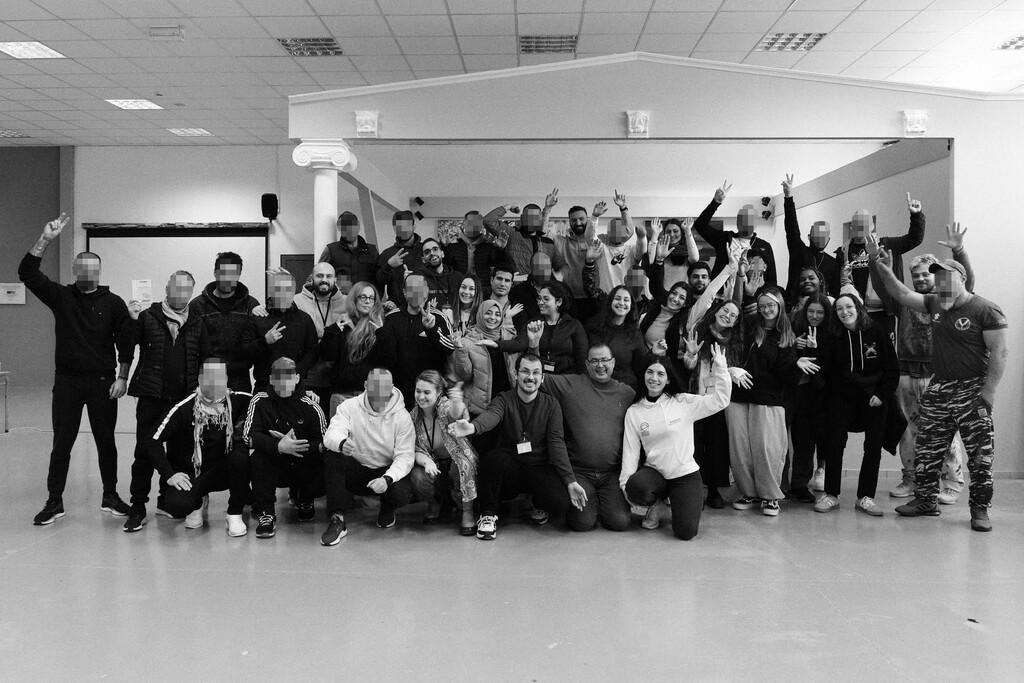
This project reminded us that while someone’s home may be taken—whether due to incarceration or displacement—their future is not lost. With compassion, education, and solidarity, we can help rebuild lives and create a more cohesive Europe.
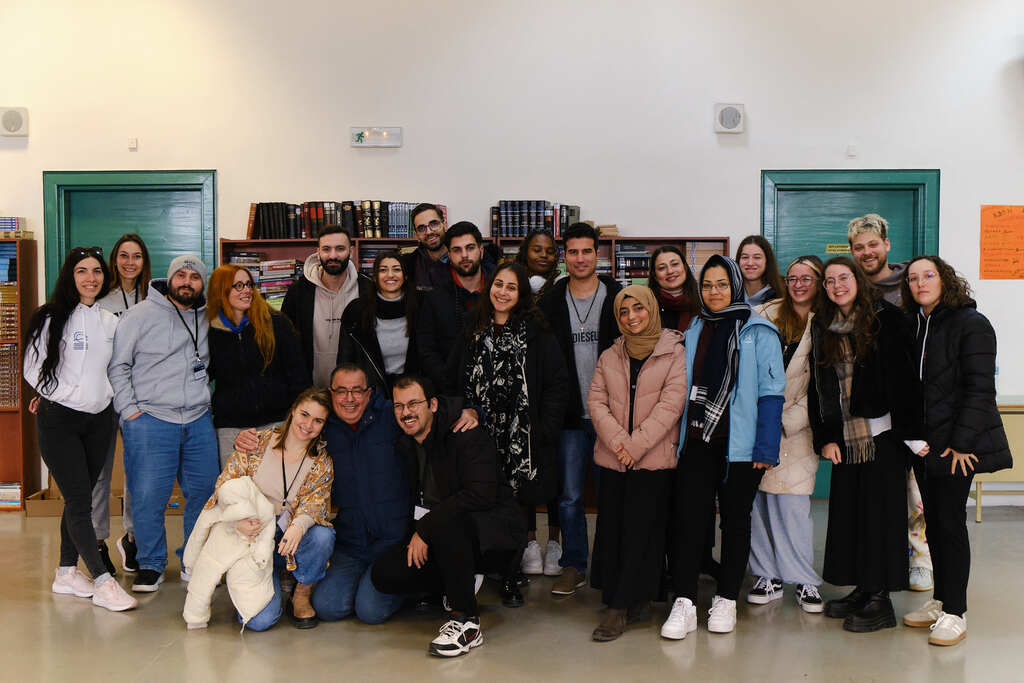
This Erasmus+ training course was not just an opportunity for personal growth—it was a call to action. It inspired us to think critically about societal structures and empowered us to become agents of change in our communities. Together with participants from across Europe, we left Trikala with a renewed sense of purpose: to build bridges where there are walls and offer second chances where they are needed most.